Free estimate
Tell us what sank.
We’ll tell you if it lifts.
A couple of minutes now saves a tear-out later. Send the details and a trained concrete lifting pro who uses ArmorThane foam will follow up to take a look.
- 1Send the details
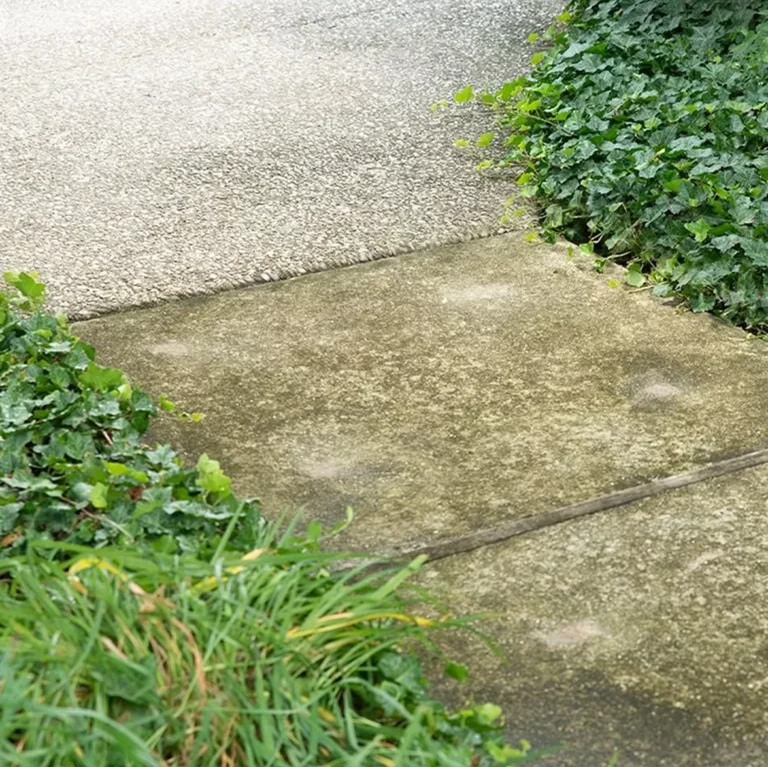
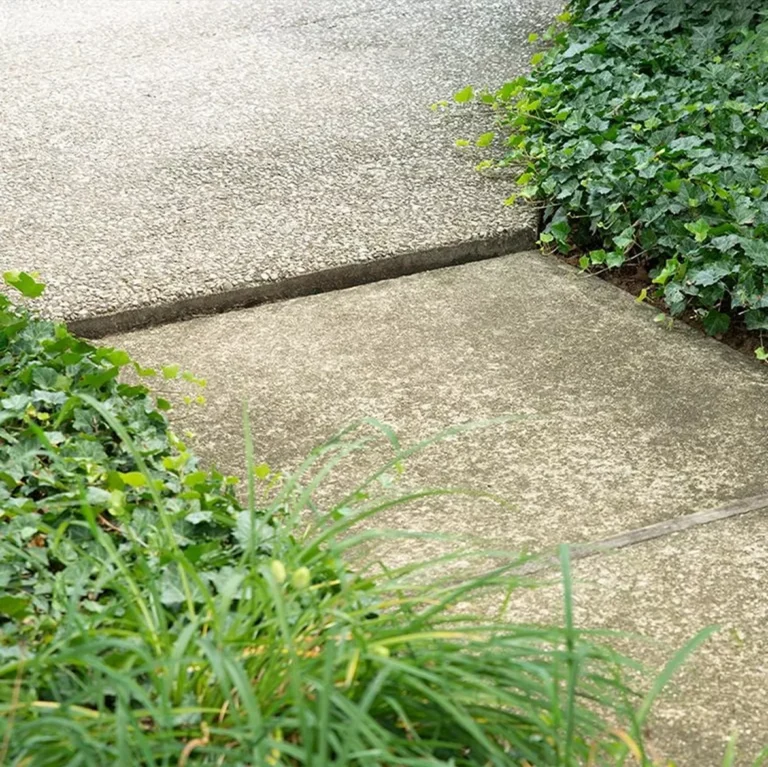
Surface, rough size, how far it dropped and your ZIP.
- 2Quick look
Photos or a short visit to measure the drop and check for voids.
- 3Lift day
Most residential jobs are finished in a few hours.
Request your free estimate
What drives the price
No two slabs cost the same.
Lifting is usually priced by the job, and the job is mostly about how much foam it takes. These are the things your estimate will look at.
Foam is sold by the pound. A big washout under a slab takes far more material than a slab that simply tipped.
How many slabs move, how far they dropped and how thick they are.
Hose runs to back patios, steps tight to the house or interior floors add setup time.
Joint sealing, crack repair and patch color-matching protect the lift for years.
FAQ
Before you
send it.
How long does polyurethane concrete lifting take?
Most residential jobs — a driveway section, a run of sidewalk, a patio or a set of steps — are finished in a few hours. The foam reaches most of its strength within minutes, and ArmorFoam Lift is rated for traffic within about 30 minutes.
Is foam lifting better than mudjacking?
Both raise slabs by pumping material underneath. Mudjacking uses a heavy cement slurry pushed through holes about 1½–2 inches wide. Polyurethane uses holes about 5/8 inch wide, weighs around 2.5–4 pounds per cubic foot instead of 100+, resists water and is ready for use almost immediately. It usually costs more per job than mudjacking, and less than tear-out and replacement.
Will my concrete crack when it is lifted?
A good technician lifts in small increments, watches the slab with levels or dial indicators and injects at multiple points to spread the load. Existing cracks can open or close slightly as the slab moves, and badly broken slabs may be better replaced — your estimate should tell you which.
Can every sunken slab be lifted?
Most can. Slabs that are shattered into small pieces, heaved upward by roots or frost, or tied rigidly into a structure may need a different repair. A short visit and a few measurements usually settle it.