Pool Deck and Patio Lifting: Leveling Concrete Around Water
Pool decks sink for a reason: they sit on backfill around a big hole in the ground. How foam lifting restores them — stamped concrete included — and the precautions that matter next to a pool shell.
Key takeaways
- Pool decks sit on backfill around the pool excavation, which keeps settling for years — that's why decks so often tip toward or away from the water.
- Polyurethane foam's light weight and water resistance suit wet, backfilled ground better than heavy slurry.
- Lifting next to a pool needs a careful injection pattern and close monitoring so the foam never pushes against the shell or coping.
- Decorative and stamped concrete can be lifted without losing the finish — something replacement can't promise.
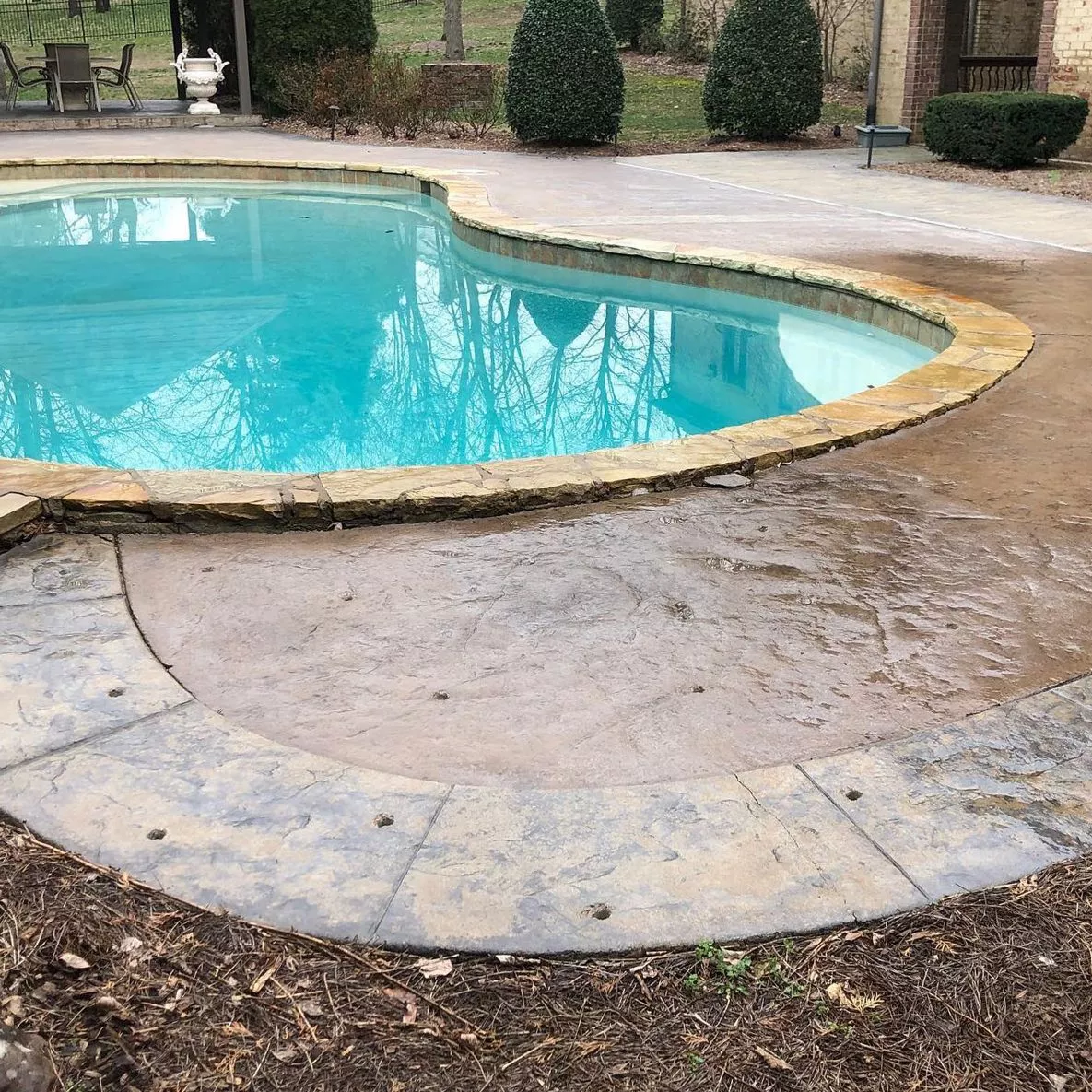
Of all the slabs around a house, the pool deck has the hardest life. It sits on soil that was dug out and backfilled around a huge hole, it gets soaked every time someone cannonballs, and the joint against the coping is a standing invitation for water to get underneath. So it’s no surprise that pool decks settle, tip and open up gaps.
What surprises people is how often those decks can be put back without breaking out a single slab.
Why pool decks move
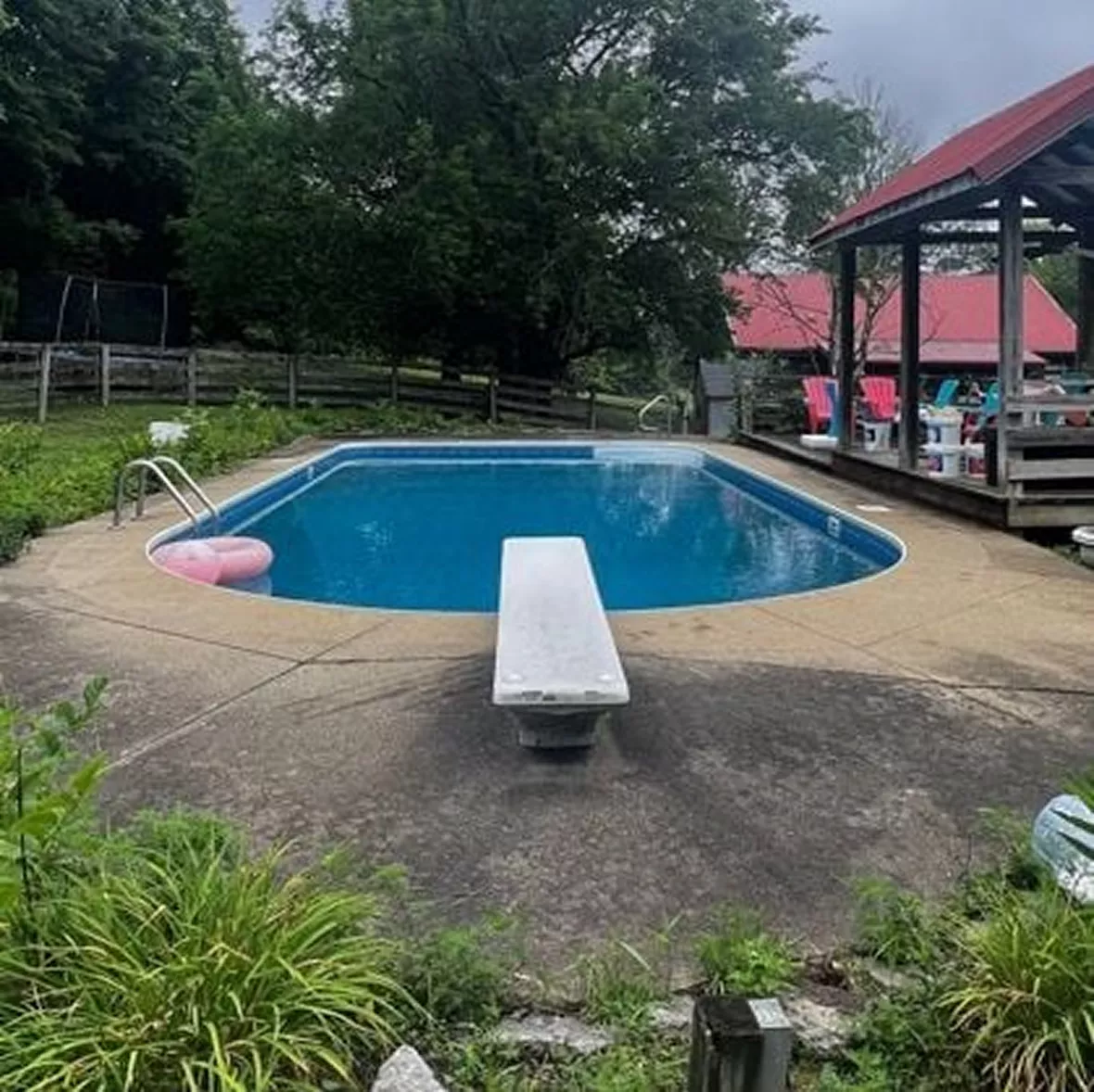
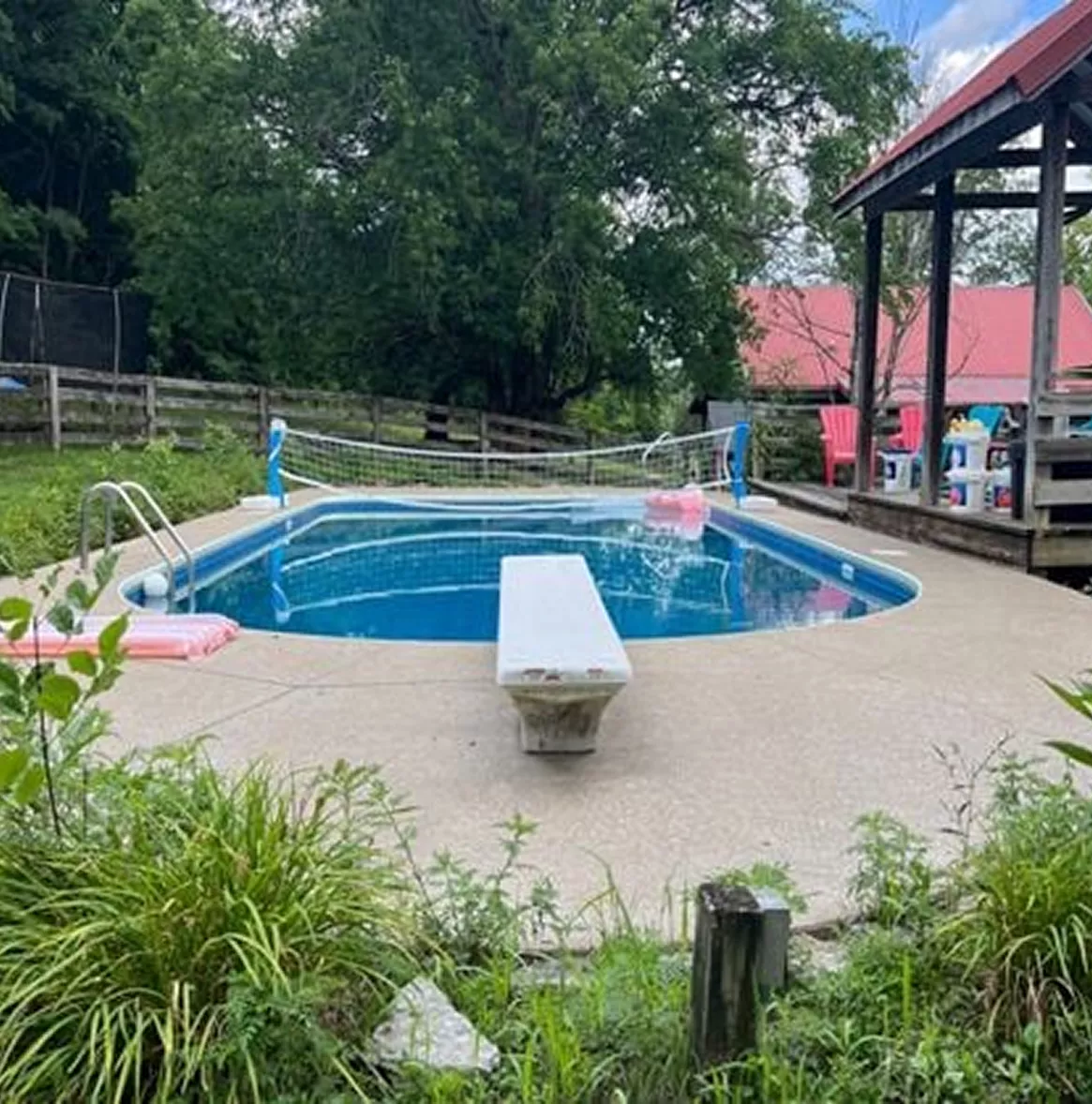
An inground pool starts as an excavation several feet deeper and wider than the shell. Once the shell is in, the gap around it gets backfilled — and backfill around a pool is notoriously hard to compact well. It keeps consolidating for years, and the deck on top follows it down.
Add splash-out, rain off the deck, a pool that’s been drained and refilled, or a leaking return line, and the soil under the deck gets wet, soft and easy to wash away. The usual symptoms:
- deck sections tipping toward the pool, so water drains into it carrying dirt and fertilizer;
- sections tipping away, opening a gap at the coping;
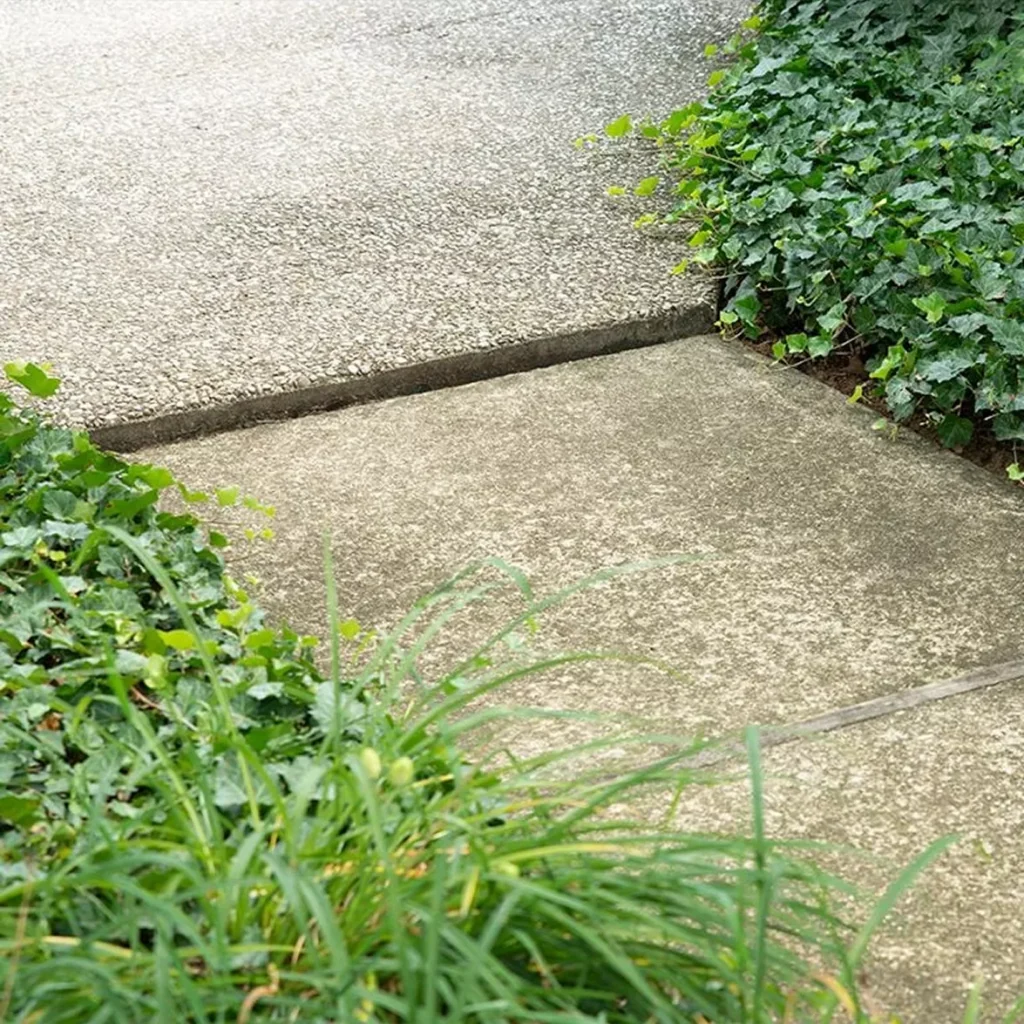
- trip lips between panels where one has dropped and its neighbor hasn’t;
- a hollow sound when you tap the deck — a void underneath.
Why foam suits pool decks
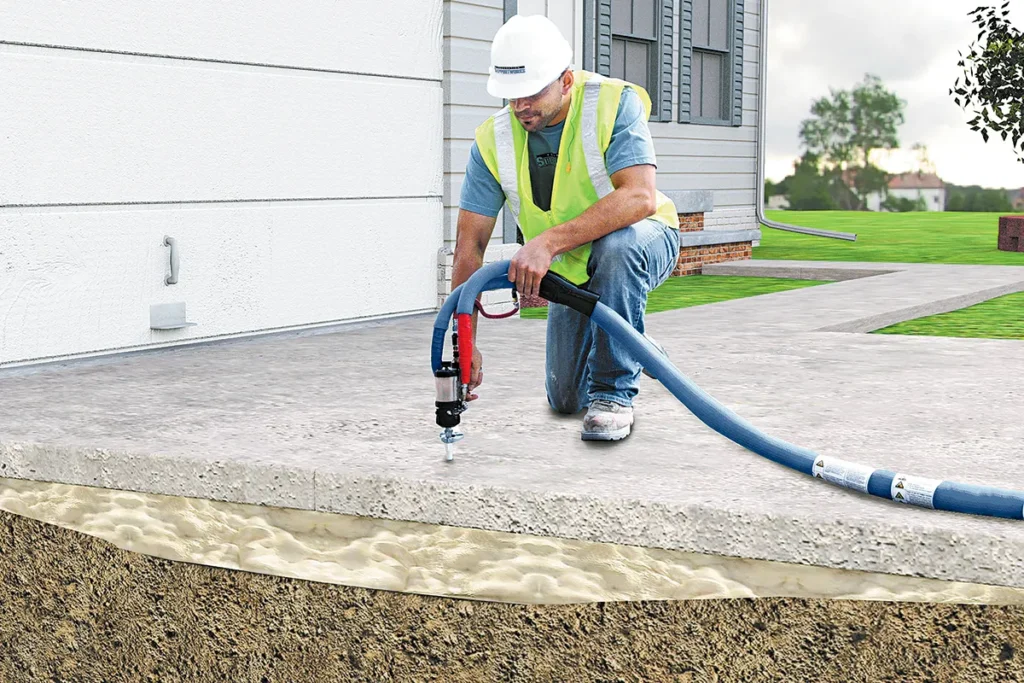
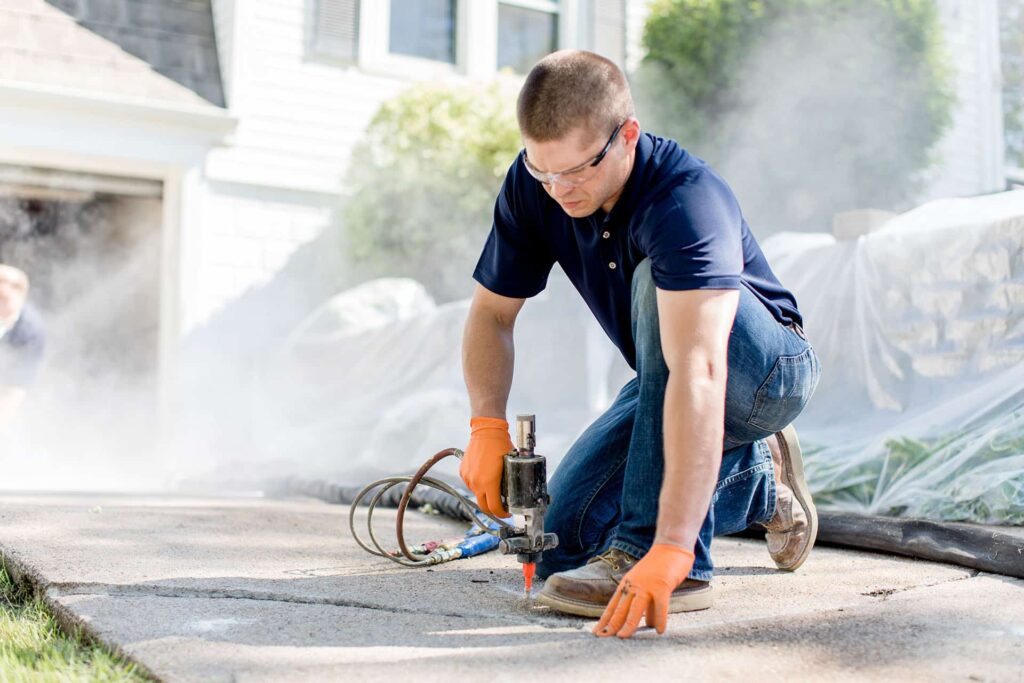
Pool decks are exactly the situation polyurethane lifting was made for. The soil is already overloaded and often wet; a lifting material that weighs a few pounds per cubic foot instead of a hundred is a real advantage. ArmorFoam Lift is a closed-cell, hydrophobic foam that can be injected into damp or wet ground and still cure to an inert, water-resistant solid. And because the ports are small and the patches are tidy, the deck still looks like your deck when the crew leaves.
Lifting next to a pool shell: what a careful crew does
This is the part that separates a good pool-deck lift from a bad one. Expanding foam is powerful, and the last thing anyone wants is for it to push sideways against the pool wall or lift the coping. Careful crews:
- Check the pool first. Water level, visible cracks in the shell or coping, and any history of leaks. A leaking line under the deck needs to be found before any lifting.
- Keep ports back from the coping. Injection starts on the side away from the water and works toward it, so foam spreads outward under the slab rather than into the gap at the shell.
- Use short shots and close monitoring. The tech watches both the deck and the coping. If anything near the pool starts to move that shouldn’t, injection stops.
- Restore the slope. The target isn’t dead flat — it’s a gentle fall away from the pool so splash-out drains to the yard.
- Re-seal the coping joint. A flexible, pool-rated sealant in the joint between deck and coping keeps water from undercutting the deck again.
Stamped and decorative concrete
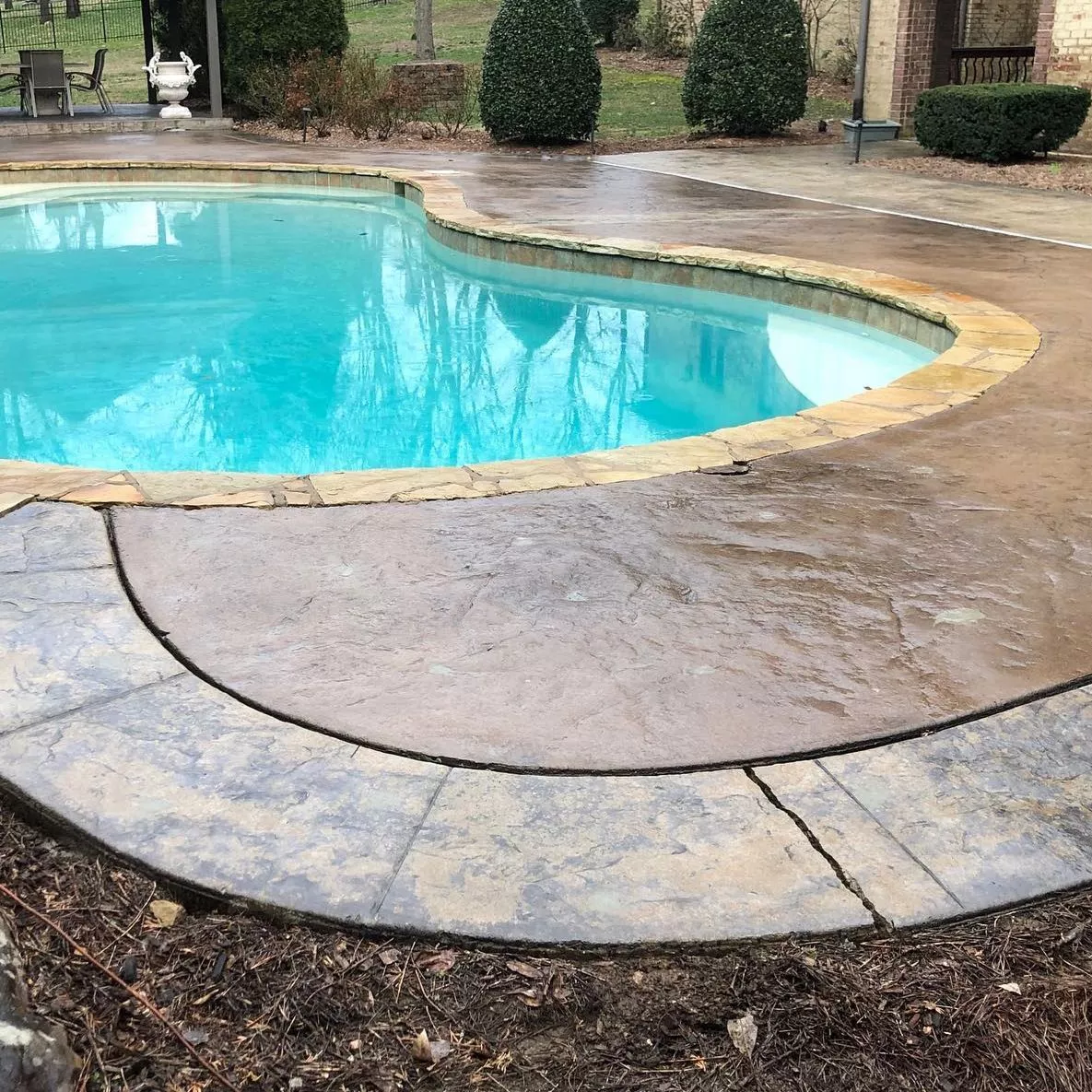
Stamped, stained and exposed-aggregate decks are expensive to replace and impossible to match exactly. That makes them some of the best candidates for lifting. The pattern stays intact, the color stays intact, and the only evidence is a few small patches — which can be tinted to blend in and are often hard to spot once the deck is resealed.
Patios follow the same rules
Patios usually sit against the house on the same backfill as the pool deck, and they usually tip the wrong way — toward the foundation, sending rain at the wall. Lifting the patio back to a fall away from the house is often the cheapest drainage fix a homeowner can buy. Same process, same precautions around the house wall that a pool deck needs around the shell.
After the lift
- Seal every joint, especially at the coping and the house wall.
- Keep splash-out and roof water away from the slab edges.
- Reseal decorative finishes on their normal schedule — it protects the patches too.
If your deck is tipping toward the water or away from the coping, request a free estimate. Photos of the gaps and the coping help a lot.

About the Lift Report
The Lift Report is the Poly Concrete Lifting guide to polyurethane slab lifting, written with input from the ArmorThane team that manufactures ArmorFoam Lift and the rigs that pump it. Got a correction or a job worth writing up? Tell us.