Concrete plays a major role in construction. Driveways, sidewalks, and patios all depend on it. Over time, these surfaces can sink or crack. This leads to uneven surfaces, which can be both a safety risk and an eyesore. Concrete lifting offers a solution to this problem. This article explains how it works and why it might be your best choice.
The Problem with Sunken Concrete
Concrete slabs sometimes sink. This happens for many reasons, including soil erosion, poor drainage, or a weak foundation. When the soil beneath a slab shifts, voids form. Over time, the slab settles into these voids, causing it to sink. This not only creates an uneven surface but also poses trip hazards. Furthermore, water collects in low spots, leading to more erosion. Repairing these issues quickly prevents further damage.
The Art of Concrete Lifting
Concrete lifting, also known as slab jacking, addresses sunken slabs. The goal is to raise the concrete back to its original position. Specialists inject materials beneath the slab. As the material fills the voids, it lifts the concrete. This process eliminates the need for replacing the concrete entirely.
How Concrete Lifting Works
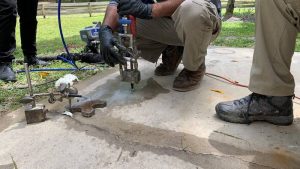
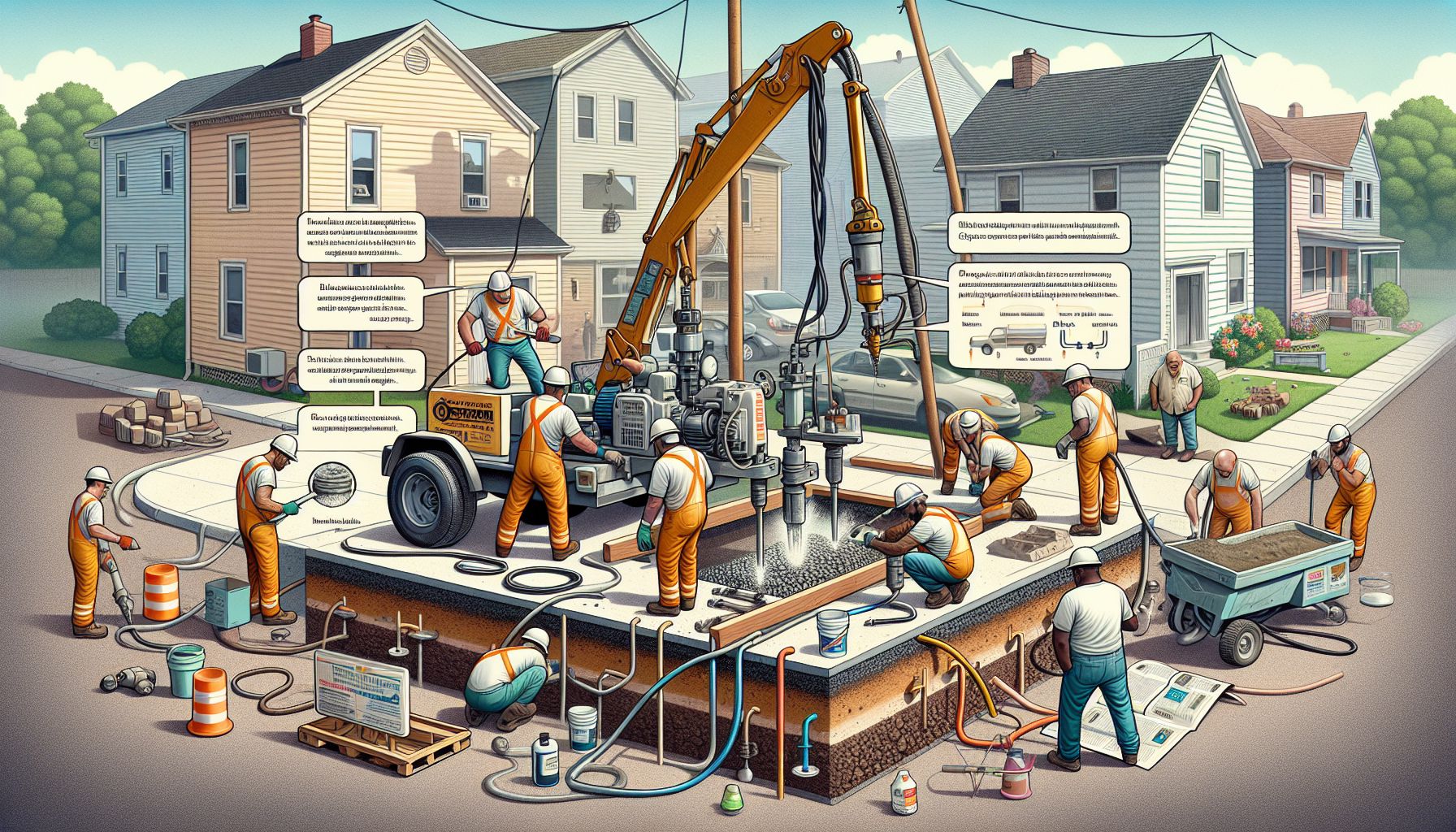
Before beginning, experts assess the site. They identify void locations and determine material amounts. Then, small holes get drilled into the sunken concrete. These holes offer access to the voids underneath. A grout or expanding foam is then injected through the holes. The material fills the voids and gently lifts the slab. Once the slab reaches the desired height, the holes get sealed and the process is complete.
Benefits of Concrete Lifting
Concrete lifting provides several clear advantages. This process is fast, often taking only a few hours. It is also more cost-effective compared to full concrete replacement. Since it uses existing concrete, it reduces waste. The surrounding landscape remains undisturbed, preserving yards and gardens. Additionally, lifted slabs are ready for use almost immediately, as there is no need to wait for new concrete to cure.
Comparing Methods: Grout vs. Foam
Two main methods dominate concrete lifting: grout-based and foam-based lifting. Grout pumping involves mixing cement, water, and sand. The mixture is pumped into the voids. Grout provides a solid base, but it might add weight. In contrast, foam injection uses a lightweight, polyurethane foam. The foam expands to fill the void, applying even pressure. Foam injection is particularly useful for delicate areas. Both methods serve unique purposes, making professional assessment crucial before proceeding.
Environmental Considerations
Concrete lifting aligns well with eco-friendly practices. Its ability to reuse existing slabs means fewer resources get consumed. Digging and disposal processes become unnecessary, reducing environmental impact. The materials used, especially in foam injection, comply with environmental safety standards. This method reduces the carbon footprint associated with concrete repair.
Selecting the Right Professionals
Choosing the right professional is essential. Look for operators with experience and positive testimonials. Certification indicates knowledge and proficiency in concrete lifting techniques. Ensure they offer a detailed plan and estimate. A trustworthy specialist provides transparency and communicates potential issues. They make the process straightforward and stress-free.
Final Thoughts
Concrete lifting restores surfaces swiftly and efficiently. This method reduces the risks posed by uneven slabs. By reusing existing materials, it supports environmental sustainability. With the guidance of skilled professionals, concrete surfaces can regain their original form. This preserves both aesthetics and safety, benefiting homeowners and communities alike.
In understanding concrete lifting, one gains insight into the importance of maintaining our built environment. Rather than starting from scratch, an innovative approach rectifies what already exists. This demonstrates a balance between preservation and progress.