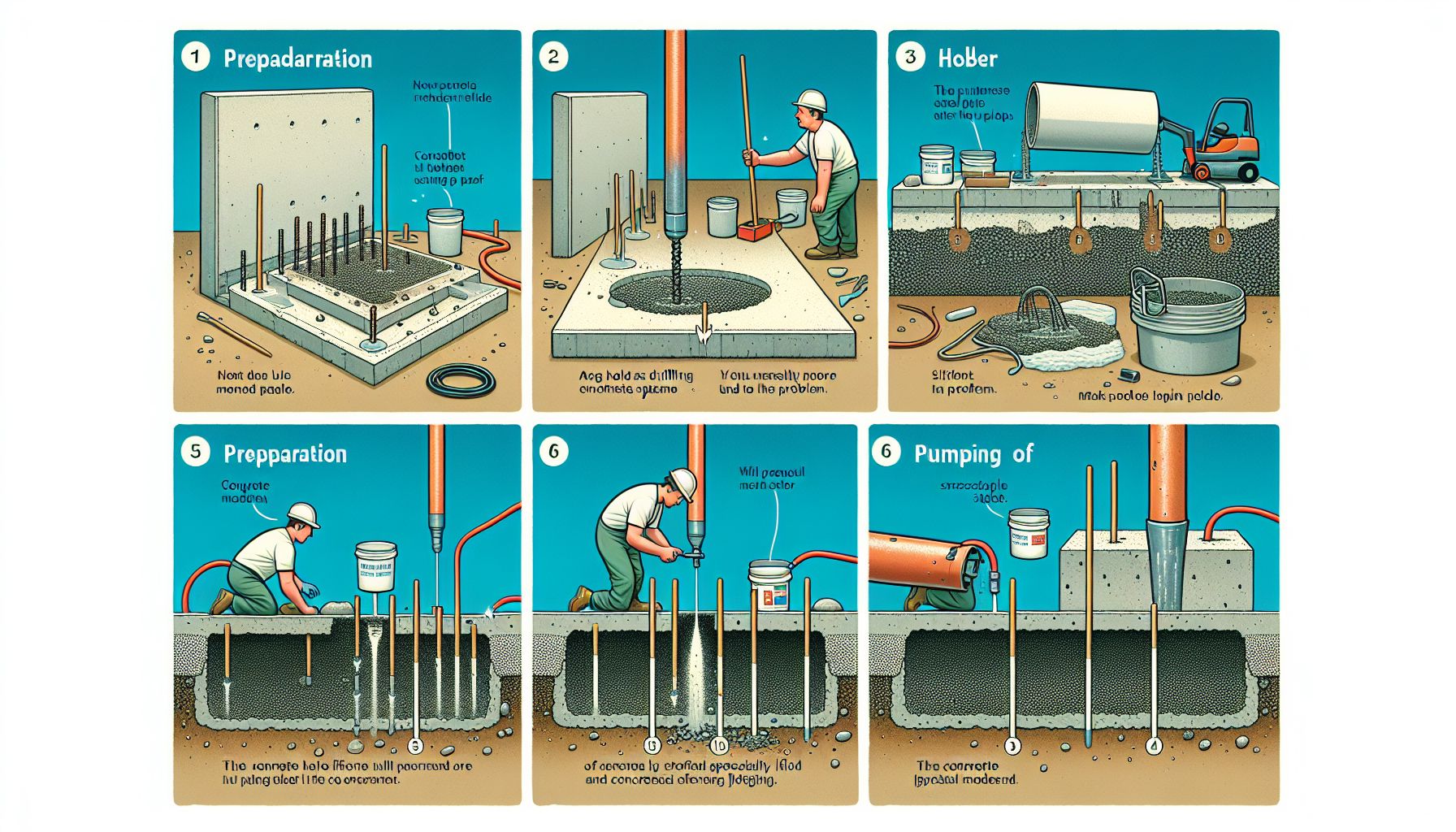
Concrete lifting, also known as slab jacking or mudjacking, is a technique to raise sunken concrete surfaces. It restores level ground and prevents further damage. Homeowners, businesses, and contractors should understand this process and its benefits. In this article, you will learn the essentials of concrete lifting. The focus will be on clarity, staying grounded in reality, and avoiding unnecessary complexity.
Why Concrete Sinks
Concrete sinking can become a problem for several reasons. Soil erosion is a common cause. It occurs when water washes away soil under concrete. This leaves voids, and concrete begins to settle. The freeze-thaw cycle can also play a role. During freezing, water expands, lifting soil and structures. When it thaws, the water shrinks, causing instability. Heavy loads contribute, too. Constant pressure from vehicles or equipment alters the soil’s structure. Over time, the soil compresses, causing subsidence.
The Basics of Concrete Lifting
Concrete lifting addresses the issues that cause settling. The goal is to restore structure while preventing future problems. The process begins by drilling small holes in the concrete surface. Next, the technician pumps a special mixture beneath the slab. Common materials include cement, sand, and water. The mixture fills voids, lifts the slab, and hardens. This provides solid and stable support.
Benefits of Concrete Lifting
Concrete lifting offers many advantages over replacement. First, it saves time. Lifting usually takes a few hours, whereas replacing can take days or weeks. It is also less invasive. Technicians work with small areas, avoiding extensive demolition. This means fewer disturbances to daily life. Additionally, the cost of lifting is lower than replacement. When you lift, you preserve existing materials. Lastly, lifting is an environmentally friendly option. It reduces waste because old concrete stays in place.
When to Consider Concrete Lifting
Deciding when to lift concrete is important. You should act when you notice uneven surfaces or sunken spots. These are tripping hazards. Cracks in pavement or wall separation are signs, too. They indicate shifting ground. Water pooling in depressions is another reason to act. It damages the surface and surrounding areas. If you suspect soil erosion, lifting might be the right move. Prompt action prevents more significant issues down the line.
The Role of Professionals
Concrete lifting should involve trained professionals. Experts evaluate the situation. They identify the cause and select the proper materials. A skilled technician uses precise techniques to ensure effective results. Safety is crucial, and professionals follow standards to protect the surroundings. Hiring a reputable contractor brings peace of mind and ensures a lasting solution.
Long-Term Maintenance Tips
While lifting resolves immediate issues, maintenance ensures longevity. Keep drainage systems in good condition. Proper water flow prevents soil erosion. Regular inspections identify new problems early. Address any developing issues quickly. Maintain loading limits on surfaces. Heavy loads can stress slabs, leading to more sinking. Awareness and proactive care extend the life of lifted concrete.
A Case for Concrete Lifting
Choose concrete lifting when facing sunken structures. It is efficient, cost-effective, and environmentally sound. Understanding the process and benefits helps you make informed decisions. Life is simpler when surfaces are level. Embrace concrete lifting as a smart solution to ground-level challenges.
In conclusion, concrete lifting restores balance and structure to our built environment. By understanding causes and solutions, you empower yourself to handle common construction issues with confidence and skill.