Where It Starts
I’ve worked with uneven slabs, sunken sidewalks, and cracked garage floors. Sometimes the problem shows up after a hard winter. Other times, you don’t notice it until you try to roll something across the surface and feel the bump. No matter how it shows up, uneven concrete calls for one thing—leveling.
There’s more than one way to level concrete, and each method comes with its own set of steps. I’ve tried them all at some point—mudjacking, self-leveling compounds, and more recently, polyurethane foam. Each time I start a new job, I think about the slab, the ground under it, and what’s caused the drop. Fixing concrete means thinking through weight, water, soil, and time.
Early Work with Mudjacking
I started with mudjacking. Back then, it was the go-to fix for sunken slabs. You’d drill holes, pump in a mix of soil and cement, and lift the slab from below. It worked most of the time. The mix filled the void and gave the slab a new base. But it had limits. The material added weight. On weak soil, that caused more settling later.
I remember one job where we lifted a driveway twice in two years. The first time, we pumped too much mix too fast. It cracked. The second time, we slowed down and got it right. But I learned that the weight of the fill matters more than people think. Heavy material helps at first but sometimes makes things worse over time.
Making the Shift to Foam
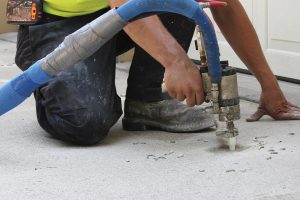
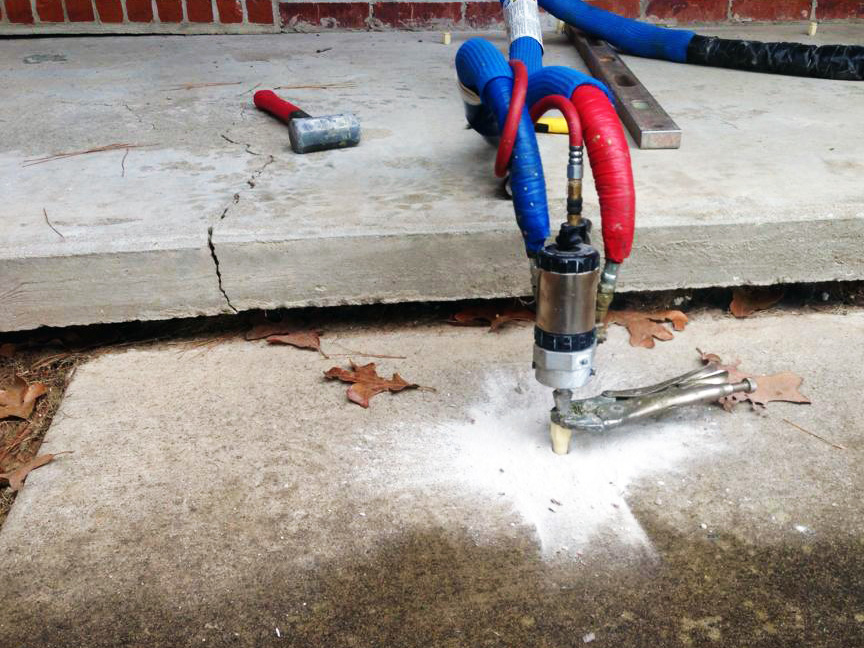
After enough callbacks, I started looking into lighter options. That’s when I found foam concrete lifting. Instead of soil and cement, we used a two-part foam that expands under the slab. It lifts the concrete gently and fills every space underneath. When done right, it doesn’t just raise the slab—it locks it in place.
The first time I used foam, I was skeptical. The holes were smaller. The process looked cleaner, almost too clean. But once we sprayed the mix and watched the slab lift without cracking, I was sold. That job was a sidewalk in front of a library. The city had tried patching it before, but nothing held. Our foam lift did.
If you’ve never worked with polyurethane foam, you’ll find that the polyurethane itself reacts fast. You have to know when to stop. The lift can sneak up on you if you’re not watching. That’s where training comes in. Sites like coatings training walk you through more than the basics. They help you understand how materials behave under pressure, especially when you work with live loads or near structures that can’t shift.
Reading the Ground Below
Leveling concrete means looking below the surface. I’ve seen good slabs sink because of a broken gutter. I’ve seen driveways drop because a tree root rotted under the base. You can’t just fill a gap and hope it holds. You need to know what caused it and make sure it doesn’t happen again.
Foam helps here too. Because it spreads through voids and hardens fast, you can use it in places where water might still linger. It resists moisture. It doesn’t break down like old-school mud mixes. And it won’t wash away in the next storm. That matters more than people think.
Working on Public Sites
More cities now use foam to fix sidewalks, curbs, and steps. You can lift sections overnight and reopen them by morning. That keeps foot traffic moving and avoids long closures. I’ve worked on trails, fire stations, and parking decks where speed mattered more than cost. In those cases, foam just made sense.
Groups like the American Polyurea Organization help spread the word. They bring field results, not just theory. The same goes for polyurea magazine, where contractors and engineers share what’s worked, what hasn’t, and where the industry is headed. I read their updates when I can, especially when new foam blends or application tools come out.
Thinking Long-Term
No method works forever. Weather shifts, ground moves, and materials age. But foam has shown strong results. It holds up in freeze-thaw zones. It resists water intrusion. And it adds almost no weight to the soil below. That last point has helped me avoid callbacks.
I once did a lift for a commercial garage floor that had sunken near the loading dock. Trucks crossed that joint every day. We couldn’t shut it down for more than a few hours. Foam gave us just enough working time to lift, level, and seal. When I checked it a year later, the floor hadn’t moved.
Training Crews the Right Way
Not every crew can do this out of the gate. Foam demands timing. You need to watch the reaction and control the lift. It also requires good prep—clean holes, dry surfaces, and the right injection pattern. That’s why I make sure new team members get solid training. The tools matter, but the hands behind them matter more.
The best training I’ve seen blends lab work with field work. You start with the chemistry and end with the slab. You feel the gun, you watch the lift, and you fix your mistakes before you go out on a job. I’ve seen people rush into foam without training and blow the mix or over-lift. Those are expensive lessons.
Looking Ahead
I don’t see concrete leveling going back to the old ways. Foam changed the game. It works faster, cleaner, and better in tight spots. It doesn’t replace every method, but it covers more ground than anything else I’ve used. As soils shift and buildings age, we’ll need more ways to keep concrete level without full tear-outs.
New blends might help us work in colder temps or bond to different surfaces. Maybe the tools get smarter—sensors, timers, even auto shut-off valves. But the basics stay the same. Know the ground. Know the slab. Know your mix. Then lift it right.
The job isn’t about making concrete look new. It’s about making it safe to walk on, drive across, and build over. When you level it the right way, you don’t need to explain your work. The slab speaks for itself.